How to Build an Animatronic Dinosaur Exhibit: Everything You Need to Know
Leave a message
An animatronic dinosaur exhibit is an exciting and creative project that can attract large crowds in museums, theme parks, or major events. However, creating a successful animatronic dinosaur exhibit is not as simple as just buying a few dinosaur models. It involves detailed planning, budgeting, design, and execution. In this article, we'll provide a practical guide on how to build an animatronic dinosaur exhibit, covering aspects like budgeting, design, and implementation to ensure a smooth and successful exhibition.
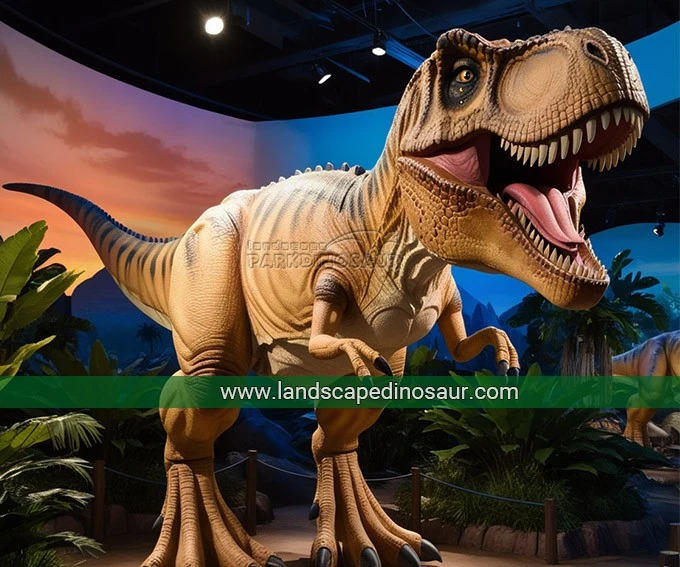
1. Define Your Goals and Theme
Before getting started, you need to clearly define the goals and theme of the exhibit. Do you want to showcase dinosaurs from the entire prehistoric era, or focus on specific periods or types of dinosaurs? The theme will dictate the design and content of the exhibit. For example, you might choose to display a variety of dinosaur species or create a special immersive experience, such as a "resurrection" scene where dinosaurs come back to life.
Tips:
Choose a theme that aligns with your target audience (e.g., children, families, academics).
Consider incorporating educational activities or interactive elements to enhance audience engagement.
2. Budget Planning
Creating a high-quality animatronic dinosaur exhibit requires detailed budget planning. The budget will include expenses for purchasing the animatronic dinosaurs, transportation, installation, exhibit design, lighting, sound effects, etc. You'll also need to account for potential ongoing costs such as maintenance, staff salaries, and marketing.
Tips:
Animatronic Dinosaurs: The price of animatronic dinosaurs can vary significantly depending on their size, complexity, and interactive features. Choose models that fit within your budget.
Design and Installation: If you're planning a highly interactive exhibit, you may need to hire a professional design team and technicians. Be sure to account for these costs in your budget.
Maintenance and Operation: You may need regular maintenance and repairs during the exhibit's run. Set aside funds for day-to-day operations and upkeep of the equipment.
3. Exhibit Space Design
The design of the exhibit should not only consider the placement of dinosaur models but also space layout, flow, and audience interaction. A successful exhibit design can guide the audience through the space and provide ample opportunities for them to interact with the dinosaurs.
Tips:
Space Layout: Design clear paths and areas that avoid crowding. Ensure each dinosaur model has enough space for display, allowing visitors to view them up close.
Lighting and Sound Effects: Use lighting and sound effects to create an immersive experience. For instance, simulate day-night cycles with dynamic lighting or accompany dinosaur movements with realistic sounds (like dinosaur roars).
Interactive Experience: Increase interactivity by integrating touch screens or augmented reality (AR) technology, allowing visitors to interact with the dinosaurs and learn more about them.
4. Choosing the Right Dinosaur Models
Selecting the right animatronic dinosaur models is crucial to the success of the exhibit. The type, size, motion, and appearance of the models will directly affect the quality of the exhibit and its appeal.
Tips:
Model Types: You can choose from static models, mechanical models with movement. Static models require less maintenance but lack interactivity, while animatronic models offer a more engaging experience.
Quality and Detail: Choose high-quality, detailed animatronic dinosaurs that enhance the immersive experience and improve the overall exhibit.
Customization: If your budget allows, consider custom-building dinosaur models that align with your specific exhibit theme for a more personalized experience.
5. Safety and Maintenance
Ensuring the safety of the exhibit is crucial, especially when showcasing large, mechanical dinosaur models. You'll need to make sure that all equipment and models are thoroughly safety-tested and that precautions are in place to prevent damage or accidents.
Tips:
Safety Barriers: Install safety barriers around large or mechanical animatronic dinosaurs to prevent visitors from getting too close.
Maintenance Plan: Develop a regular inspection and maintenance schedule, especially for models with moving parts, to ensure they function smoothly throughout the exhibit's run.
6. Promotion and Marketing
A successful exhibit isn't just about the quality of the dinosaurs; it also needs effective promotion and marketing. Use both online and offline channels to raise awareness about the exhibit and attract more visitors.
Tips:
Social Media Marketing: Promote the exhibit on social media platforms like Facebook, Instagram, and Twitter, using eye-catching visuals to grab attention.
Partnerships: Partner with related industries (such as museums, tourism companies, schools, etc.) to expand the reach of your promotion.
Special Events: Organize dinosaur-related events such as interactive sessions for children, dinosaur trivia, or educational workshops to attract more family audiences.
Conclusion
Building an animatronic dinosaur exhibit is a complex but highly creative project. Through careful planning and preparation-ranging from budget management and exhibit design to ensuring safety and regular maintenance-you can ensure the smooth execution of the exhibit and provide an unforgettable experience for visitors. Whether it's enhancing educational value, increasing interactivity, or using innovative technologies to create an immersive experience, animatronic dinosaur exhibits have tremendous potential to attract audiences and boost your brand visibility.
We hope this guide helps you take the first step toward creating a unique and compelling animatronic dinosaur exhibit!