Animatronic Dinosaurs: Bringing Prehistory to Life
Leave a message
Animatronic Dinosaurs: Bringing Prehistory to Life
The fascination with dinosaurs has captivated human imagination for centuries. From the towering Tyrannosaurus Rex to the long-necked Brachiosaurus, these prehistoric giants continue to intrigue us. Today, thanks to advancements in technology, we can experience the wonder of these magnificent creatures up close through animatronic dinosaurs.
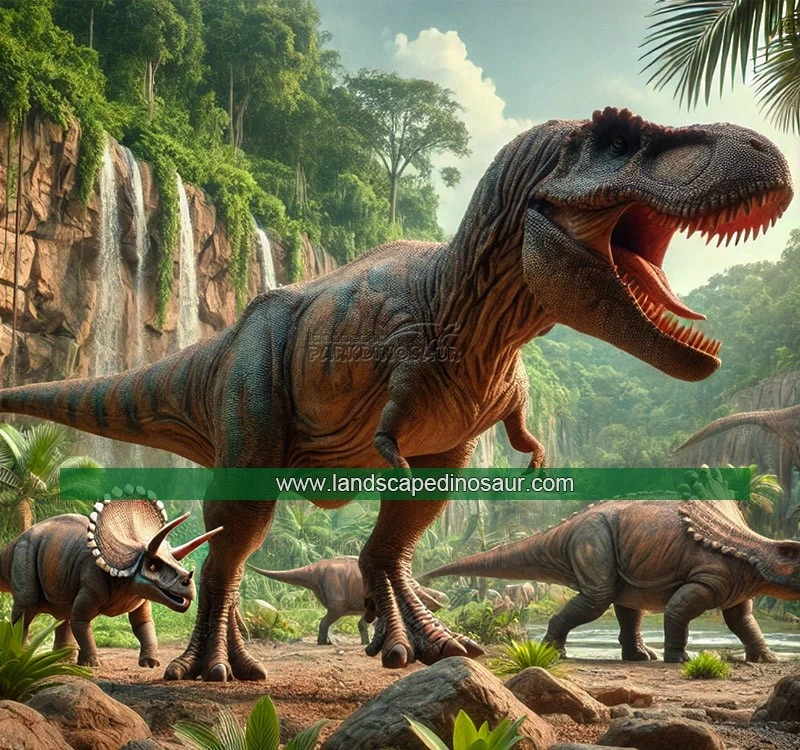
The Magic of Animatronic Dinosaurs
Animatronic dinosaurs are life-size, robotic replicas of dinosaurs designed to mimic the movements and sounds of their real-life counterparts. These sophisticated machines use a combination of motors, sensors, High Density Sponge, silicone sealant to create realistic and interactive experiences for audiences of all ages.
How Do Animatronic Dinosaurs Work?
Animatronic dinosaurs function through a combination of mechanical engineering, electronics, and artistry. Here's how they work:
Skeleton Structure: Each animatronic dinosaur begins with a steel skeleton that provides the necessary support and framework.
Motors and Actuators: Embedded within the skeleton are motors and actuators that control the dinosaur's movements. These devices are responsible for moving the dinosaur's mouth, limbs, head, tail, and other parts.
Control Systems: These are computer systems programmed to coordinate the dinosaur's movements. Advanced animatronics use pre-programmed routines that can be triggered by sensors or remote controls.
Power Supply: Most animatronic dinosaurs are powered by electricity, either through batteries or direct power connections.
Sensors: Some models include sensors that allow the dinosaur to react to its environment, adding an interactive element. These sensors can detect motion, sound, and sometimes touch, triggering specific movements or sounds.
How Were the Robot Dinosaurs Made to Seem Real?
Making animatronic dinosaurs look and feel real involves a blend of technology and artistry:
Realistic Movements: Engineers study the movement patterns of real animals and use this knowledge to program the dinosaurs. Hydraulic and pneumatic systems are often used for smooth and powerful movements.
Detailed Skin and Muscles: The outer layer of the dinosaurs is crafted from foam and silicone, which are flexible and durable. These materials are sculpted and painted to resemble real dinosaur skin, complete with wrinkles, textures, and colors.
Sound Effects: To enhance realism, sound systems are integrated into the animatronics. These systems play prerecorded dinosaur sounds like roars and growls, synchronized with the dinosaur's movements.
Advanced Artistry: Artists and modelers pay close attention to detail, using fossil evidence and scientific data to create accurate depictions. This includes lifelike eyes, teeth, claws, and other features.
Interactive Elements: Modern animatronics may include interactive features such as blinking eyes, moving tongues, and breathing effects to make them appear more lifelike.
Creating Realistic Experiences
One of the key aspects of animatronic dinosaurs is their ability to bring prehistory to life. Engineers and artists work meticulously to ensure that each life-size dinosaur is as accurate and lifelike as possible. This involves:
Extensive research into the anatomy, movement, and behavior of dinosaurs.
The use of cutting-edge technology to replicate these features.
Collaboration between mechanical engineers, roboticists, and artists.
Educational and Entertainment Value
Animatronic dinosaurs offer both educational and entertainment value:
Educational Exhibits: In museums, they provide a dynamic way to learn about the prehistoric world, helping visitors understand dinosaur biology and ecology.
Entertainment Venues: In theme parks and zoos, they create unforgettable experiences, allowing visitors to walk among life-size dinosaurs and enjoy interactive elements such as sound effects and responsive displays.
Enhancing Dinosaur Parks with Realistic Dinosaur Statues
For dinosaur parks, incorporating realistic dinosaur statues and realsize dinosaur statues adds immense value. These statues serve as impressive park decorations, creating an immersive environment that transports visitors back to the age of dinosaurs.
The Future of Animatronic Dinosaurs
As technology continues to advance, the future of animatronic dinosaurs looks promising. Innovations in robotics, artificial intelligence, and materials science are likely to result in even more realistic and interactive models. This means:
Enhanced Realism: More lifelike movements and appearances.
Greater Interactivity: Increased engagement through responsive behaviors and AI integration.
Broader Educational Applications: Improved tools for learning and exploration.
Conclusion
Animatronic dinosaurs are a testament to the incredible advancements in technology and engineering. By bringing these prehistoric creatures to life, they offer a unique blend of education and entertainment that captivates audiences around the world. Whether in a museum, theme park, or special exhibit, animatronic dinosaurs continue to bring the wonders of prehistory to life in ways that were once thought impossible.